



.jpg)
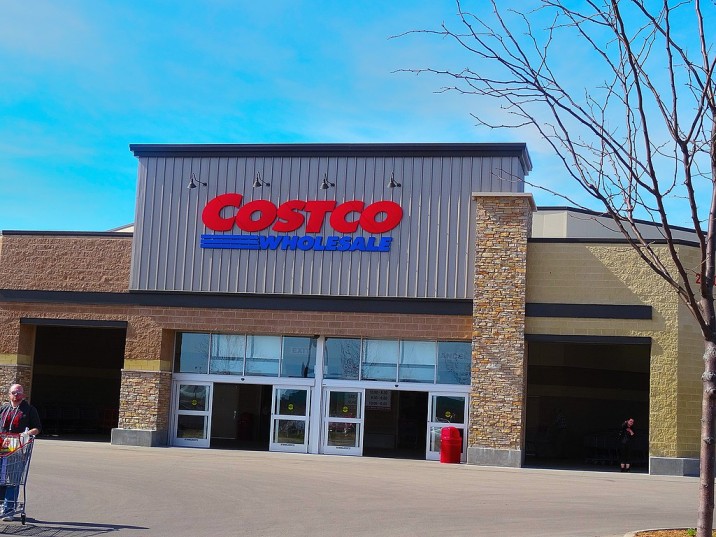
Retail giant Costco Wholesale has filed a lawsuit against the Trump administration, demanding a full refund of duties paid on imported goods and seeking a declaration that the President’s use of emergency powers to impose global tariffs is unlawful.
The lawsuit, filed on Friday at the US Court of International Trade, challenges the administration’s use of the International Emergency Economic Powers Act (IEEPA). The 1977 law has historically been used to impose sanctions against foreign nations, not tariffs.
Costco, which sells hundreds of imported items ranging from tyres and golf balls to mangoes and salmon, argues that the administration is misusing the statute. The filing notes that the text of the IEEPA does not use the word “tariff” or any equivalent term.
“IEEPA was first enacted in 1977 and has been amended several times, but it has never been amended to authorize, or used by any other President to impose, tariffs,” the lawsuit states.
In addition to a full refund, the company is seeking an injunction against future tariffs. The legal action, first reported by NBC News, cites previous rulings by the Court of International Trade and the Federal Circuit that found such tariffs unlawful.
The filing comes as the US Supreme Court weighs the legality of President Donald Trump’s broad tariff authority. During oral arguments last month, conservative justices discussed the implications of granting the president such extensive powers, signalling the court could limit or strike down the policy.
Costco has joined dozens of other companies, including motorcycle manufacturer Kawasaki and canned foods producer Bumble Bee, in seeking legal redress. These companies argue that individual lawsuits are necessary because they are not guaranteed a refund even if the Supreme Court rules the tariffs are illegal; they require their own judgement and judicial relief to ensure repayment.
Mr Trump has defended the levies as a necessary measure to reduce the annual US trade deficit, which he declared a “national emergency” in April.
Official figures show that total duties collected by US Customs and Border Protection have roughly doubled in the 2025 fiscal year compared to previous years through 31 August. The non-profit Tax Foundation reported that the administration had collected approximately $88 billion in IEEPA tariffs through September. They project the tariffs will generate $2.3 trillion over the next decade.
While Costco did not disclose the specific amount it has paid in levies, the company’s Chief Financial Officer, Gary Millerchip, said during a May earnings call that approximately one-third of the company’s US sales were derived from imported goods. Non-food items comprised two-thirds of those imports, while goods from China represented about 8 per cent of total US sales.
Mr Millerchip explained the retailer’s strategy regarding price increases. He noted that Costco had raised prices on discretionary items, such as flowers imported from Central and South America, betting that customers would absorb the cost. However, the company sought to minimise increases on “staple items” from the same regions, such as fresh pineapples and bananas, even though this reduced the company’s profit margins.
Costco Chief Executive Ron Vachris stated in September that the company would “do everything we can to mitigate tariff impacts” to avoid passing costs to consumers.
“If we do [increase prices], we are going to be the last one to go up and always the first one to go down in any opportunities we have out there,” Mr Vachris said.
Neither the White House nor Costco immediately responded to requests for further comment on the lawsuit.